Regulatory Alignment with Mobile Payment Solutions in Blackjack and Roulette
Écrit par Morgan Zimmermann · 25/8/2026
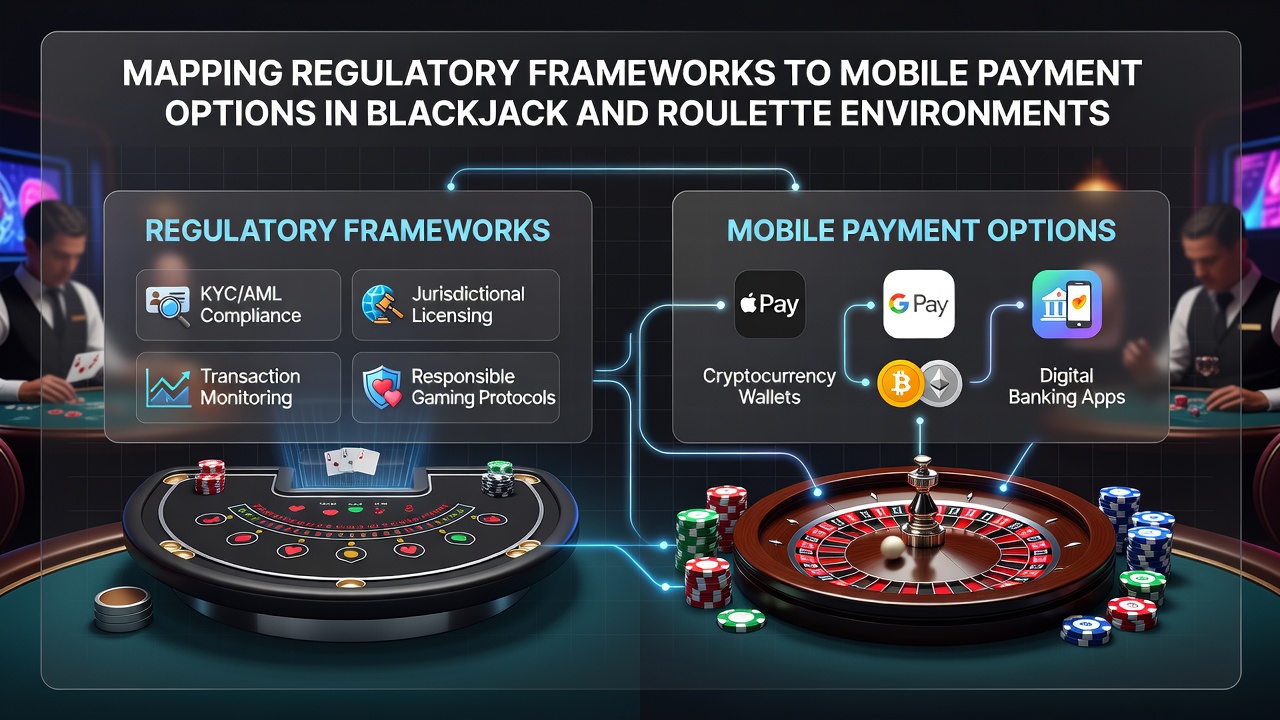
Regulatory Alignment with Mobile Payment Solutions in Blackjack and Roulette
Regulatory frameworks shape the available mobile payment options for blackjack and roulette across various jurisdictions, and operators must map these structures carefully to maintain compliance while supporting seamless transactions. Data from industry reports shows that licensing bodies establish clear boundaries around accepted methods such as e-wallets, bank transfers, and prepaid cards, which directly affects how players fund accounts in these specific table games.
Jurisdictional Variations in Compliance Standards
European regulatory bodies enforce directives that tie mobile payment approvals to anti-money laundering checks, whereas North American authorities often require integration with state-controlled systems for the same games. Observers note that these differences create distinct environments where blackjack and roulette platforms adapt their interfaces to meet local rules without disrupting gameplay flow. Researchers discovered that alignment processes involve detailed audits of transaction logs, ensuring each payment channel corresponds to the risk profile assigned by the overseeing agency.
Payment Method Mapping Techniques
Experts have observed that successful mapping begins with categorizing mobile options according to speed, verification levels, and geographic restrictions, then cross-referencing those categories against current statutes. In practice, one study revealed that roulette environments demand faster settlement times for certain bets, which pushes operators toward methods that regulators have pre-approved for high-volume activity. Blackjack settings, by contrast, frequently align with slower but more traceable bank-linked options because the game structure allows for extended sessions where verification can occur mid-play.
Figures reveal that jurisdictions updated their guidelines ahead of August 2026 to address emerging digital wallet technologies, requiring operators to submit mapping documentation that demonstrates how each method prevents unauthorized access during live table sessions. Those who've studied this process know the documentation typically includes flowcharts linking regulatory clauses to specific payment APIs used in blackjack and roulette applications.
Case Examples from Global Markets
Take one operator who adjusted its systems after a Canadian provincial review found inconsistencies between mobile deposit limits and game stake rules in roulette. The adjustment involved routing certain transactions through verified intermediaries that satisfied both payment security mandates and table game oversight. There's this case where experts found similar realignments in Australian markets, where interactive gambling regulations intersect with mobile banking standards to limit cryptocurrency use in blackjack environments.
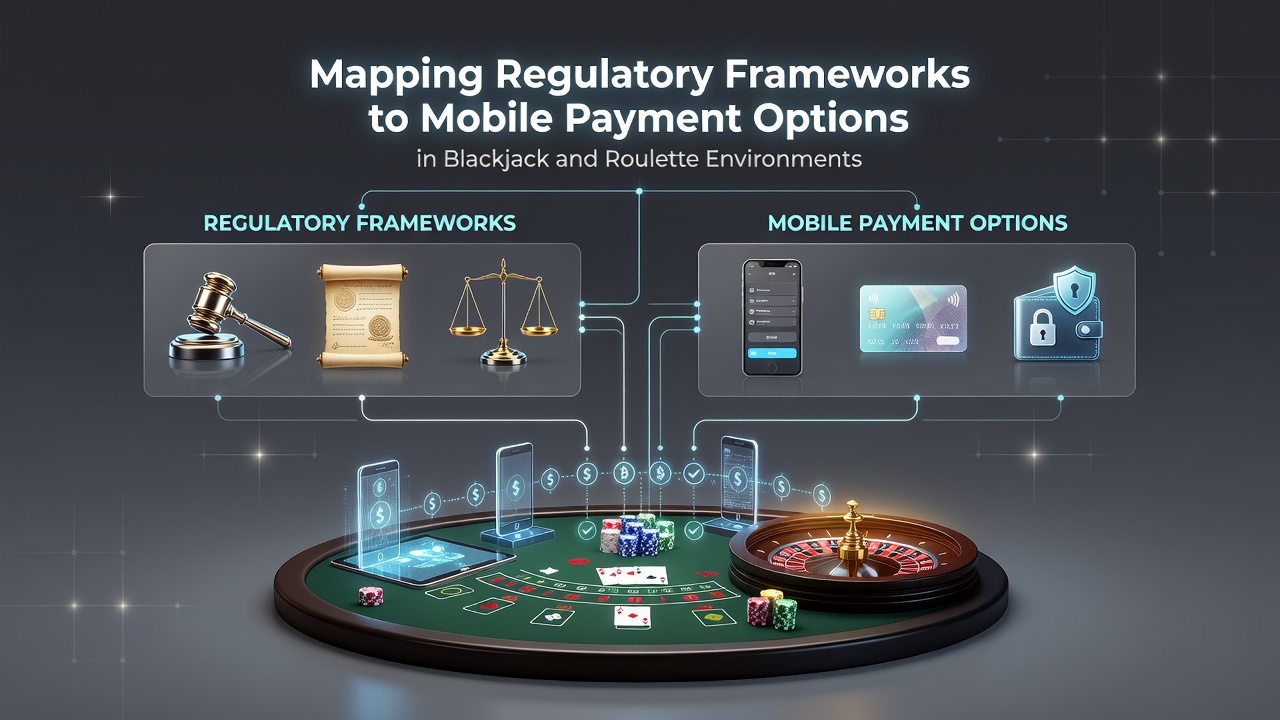
According to data compiled by the Malta Gaming Authority, operators that complete thorough mapping exercises report fewer compliance incidents during routine inspections. The authority's framework emphasizes that payment options must match the volatility profile of each game, and roulette's rapid outcome cycles often receive different treatment than the more strategic pace of blackjack.
Implementation Challenges and Solutions
But here's the thing: technical integration rarely proceeds without friction because legacy banking systems must interface with newer regulatory databases. Observers note that developers solve these issues by creating modular payment layers that can be toggled based on the player's location and the specific game being accessed. Research indicates that such modularity reduces downtime when rules change, as seen in several updates scheduled around August 2026.
What's interesting is how smaller operators leverage third-party compliance tools to automate parts of the mapping process, connecting regulatory text directly to payment processor settings. Industry associations have documented that this automation cuts manual review time significantly while preserving the accuracy needed for audits focused on blackjack and roulette transactions.
Future Developments in Regulatory Mapping
Evidence suggests that ongoing advancements in real-time monitoring will further refine how frameworks connect to mobile options, particularly for games that combine skill and chance elements like blackjack. Regulators continue to issue guidance that encourages proactive mapping rather than reactive adjustments after incidents occur. Those who've examined the trends understand that jurisdictions sharing best practices across borders accelerate the adoption of standardized mapping protocols.
Conclusion
The alignment of regulatory frameworks with mobile payment options remains an essential operational requirement for blackjack and roulette environments worldwide. Data shows that structured mapping approaches enable operators to navigate jurisdictional differences effectively while supporting player access. Continued refinement of these connections will depend on collaboration between licensing bodies, payment providers, and game developers as new technologies emerge.